

starbucks menu cost: Quick Answer: A typical Starbucks run costs roughly $3 to $8 for a standard drink, with most grande espresso drinks landing in the $4 to $6 range as of October 2026, though prices vary by location. Size, customizations like extra shots and alternative milks, and where the store sits all push your total up or down. Food items usually add $2 to $8. Read on for category-by-category ranges, the cheapest and priciest picks, and budget tips that genuinely work.
What Actually Drives Your Total
Your Starbucks receipt is the result of a few decisions you make at the counter, and understanding them is the difference between a $4 drink and an $8 one. The base drink sets the starting price, and everything after that is a choice. Size is the first lever: each step up in size adds to the price, and the jump from Tall to Venti is the biggest. Customizations are the second and most underestimated lever. An extra espresso shot, an alternative milk like oat or almond, additional syrup pumps, and cold foam each carry their own surcharge in most stores, and they stack. A grande latte with three add-ons can easily cost a couple of dollars more than the same latte ordered plain.
The third lever is location. Starbucks sets prices by market, so a drink in Manhattan or San Francisco costs more than the same drink in a sma
Starbucks menu cost guide: what you’ll actually pay in 2026. For official prices, see the Starbucks menu on starbucks.com.
ll Midwestern town. Licensed stores inside airports, hotels, grocery chains, and college campuses often price above nearby company-owned stores. Local sales tax adds the final layer, since it differs by state and city. None of this is a secret, but most people only feel the customization lever after they have already ordered. The rest of this guide puts numbers to each category so you can order with your eyes open.
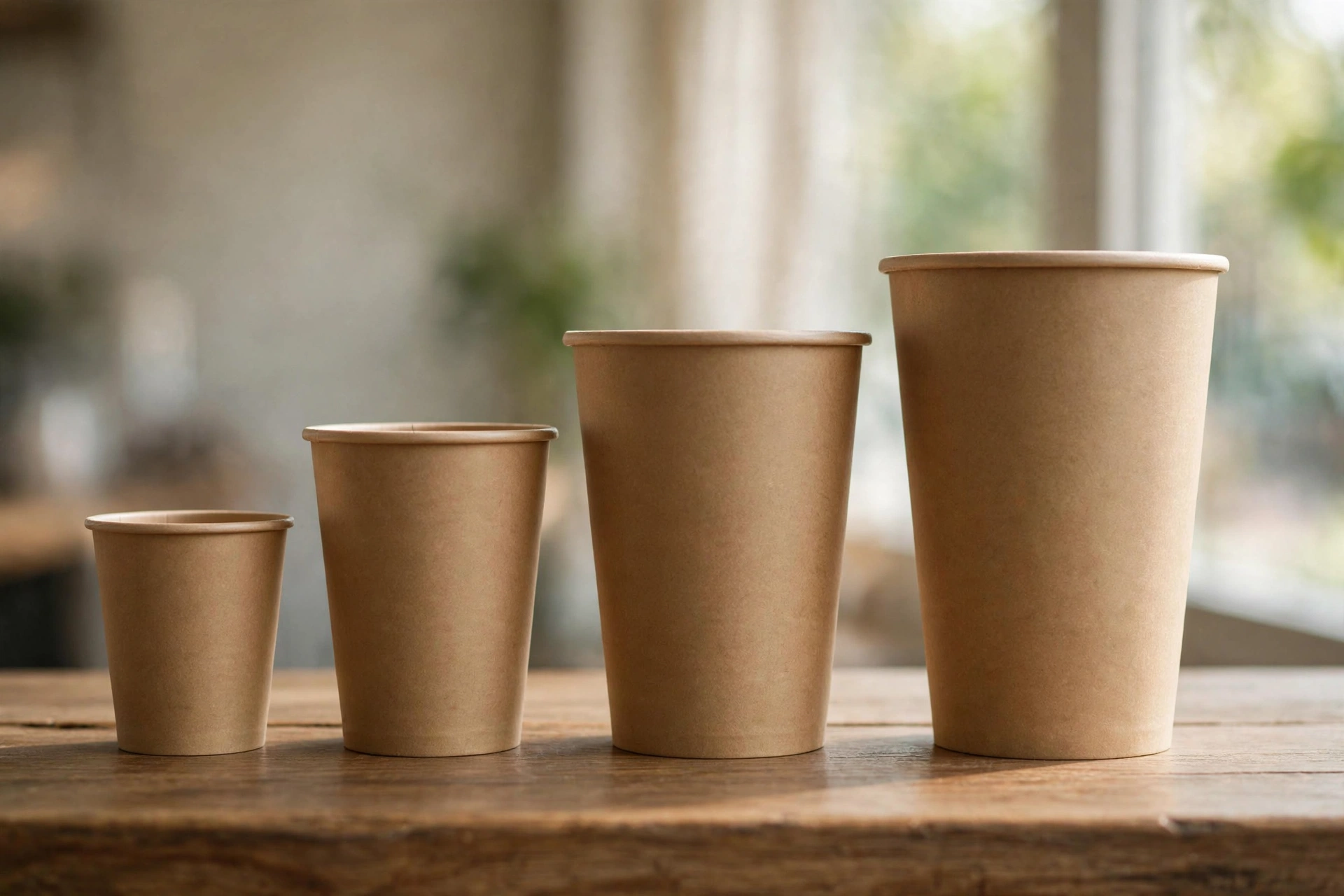
Typical Starbucks Price Ranges by Category
Starbucks does not publish a single national price list, so everything below is an approximate range for a Grande in most US cities as of October 2026. Treat these as planning numbers, not promises, because prices vary by location.
- Brewed coffee: roughly $3 to $4. The most affordable category on the menu, and the best value per ounce.
- Hot tea and iced tea: roughly $3 to $5. Chai lattes and specialty tea lattes sit at the top of this band.
- Espresso drinks (lattes, cappuccinos, mochas, macchiatos): roughly $5 to $7. Mochas and flavored lattes usually price above plain lattes.
- Iced coffee and cold brew: roughly $4 to $6. Nitro cold brew and drinks with cold foam trend higher.
- Frappuccino blended drinks: roughly $5 to $8. Among the priciest standard drinks because of the ingredients and blending.
- Starbucks Refreshers: roughly $4 to $6. The coconut-milk versions sometimes price a touch higher.
- Food (bakery): roughly $2 to $5. Croissants, muffins, cake pops, and cookies live here.
- Food (breakfast sandwiches, wraps, lunch): roughly $5 to $8. Protein boxes usually fall in the middle.
Notice the pattern: the closer a drink gets to dessert territory, with blended ice, whipped cream, drizzles, and multiple syrups, the higher it lands. Simple builds stay cheap. That single observation explains most of the price spread on the menu.
The Cheapest Drinks on the Starbucks Menu
If you want to spend the least, the menu rewards simplicity. A Tall brewed coffee is almost always the cheapest drink in the store, roughly $3 to $4 as of October 2026, and it is the only drink eligible for the same-visit refill perk for Rewards members in participating stores. Hot brewed tea and iced tea (unsweetened, no lemonade) are close behind and cost about the same. An iced coffee ordered plain, without milk upgrades or extra syrup, is the cheapest cold option in most stores.
A few more cheap-order strategies: order a Tall instead of a Grande, skip the alternative milk, and say no to add-ons you will not taste. A plain Caffe Misto costs less than most lattes and tastes nearly as comforting. And if you are deciding between two drinks you like equally, the simpler one is almost always the cheaper one. These are not exciting secrets, but they are the moves that keep a daily habit affordable.
The Priciest Items (and Why They Cost More)
At the other end of the menu, the most expensive standard drinks are the large, heavily built ones. A Venti Frappuccino with whipped cream, drizzle, and added syrups is routinely one of the priciest items on the board. Large iced espresso drinks with cold foam, multiple shots, and alternative milk also land near the top, as do the Trenta Refreshers simply because of their 31 oz volume. On the food side, the heartier lunch sandwiches and some protein boxes are the most expensive items in the case.
Why do these cost more? It comes down to ingredients and labor. Drinks with many components take longer to build and use premium add-ins that each carry a cost. That is also why the sweetest drinks on the menu, the ones with layered syrups, sauces, and toppings, cluster at the top of the price range. If you love those builds, our roundup of sweet coffee drinks at Starbucks covers the most popular ones and what makes each special. Just know you are paying for the complexity, and ordering the same flavors in a smaller size trims the bill without killing the experience.
How Your Location Changes What You Pay
The same drink does not cost the same everywhere, and the gaps are bigger than most people expect. Big coastal cities price noticeably above smaller markets, sometimes by a dollar or more on a standard latte. State and local sales taxes widen the gap further at the register. Store format matters too: licensed locations inside airports, hotels, and grocery stores frequently charge more than company-owned stores a few blocks away, and they do not always honor every Rewards promotion.
There is not much you can do about your city’s pricing, but you can choose your store. If you pass both a licensed kiosk and a company-owned store on your route, the company-owned store is usually the cheaper and more promotion-friendly choice. Prices also drift upward over time across the industry, so the ranges in this guide reflect October 2026 and will age. When in doubt, the mobile app shows your specific store’s prices before you order, which is the most reliable number you can get.
Budget Tips That Actually Work
Cutting your Starbucks spending does not require giving up Starbucks. These are the tactics that regulars actually use, and they stack.
- Join Starbucks Rewards and actually use it. You earn Stars on every purchase, and those Stars convert into free drinks and food. The app also surfaces member-only offers and the occasional happy-hour style deal. This is the single highest-value move on this list.
- Bring a personal cup. You get a small discount on your drink plus bonus Stars when you bring a reusable cup in participating stores. It is a small saving per visit that adds up for daily drinkers.
- Use refills the smart way. Rewards members can get free refills on hot or iced brewed coffee and tea during the same store visit in participating stores. If you camp out to work, a single brewed coffee can stretch for hours. Terms have changed over the years, so confirm the current policy, but the perk still exists as of October 2026.
- Order a Tall, or ask for light ice. A Tall of your favorite drink costs meaningfully less than a Venti, and light ice means more actual drink in the cup for cold orders. Both are free to ask for.
- Claim your birthday reward. Rewards members get a free handcrafted drink on their birthday. It is one genuinely free drink a year with no catch beyond membership. Our guide to the Starbucks free birthday drink explains exactly how to claim it so you do not miss the window.
- Watch the app for offers. Bonus-Star challenges, double-Star days, and personalized coupons appear regularly. A thirty-second check before ordering can turn a normal purchase into progress toward a free drink.
- Trim one add-on at a time. If your usual has three customizations, try dropping the one you notice least. Most people cannot taste the difference between two syrup pumps and three, but the register can.

Secret Menu Builds and the Hidden Cost of Customization
The fan-made “secret menu” deserves a special mention in a cost guide, because it is where customization costs hide. These are not official menu items: they are recipes invented by customers and built from standard Starbucks ingredients, ordered by listing the base drink plus every modification. Because each modification can carry an upcharge, a secret menu drink with six add-ons can cost far more than anything printed on the menu board. That does not make them bad orders, but it makes them the priciest way to buy a drink.
If you want to try them without the sticker shock, keep the build simple, order a Tall, and check the total in the app before you pay. Our Starbucks secret menu guide lists the most popular recipes with the exact ordering language, so you can see the full build and decide which add-ons are worth it to you.
Is Starbucks Worth the Price? An Honest Take
This is the question behind every cost guide, and the honest answer is that it depends on what you are buying. If you are buying caffeine, a home brewer or a plain brewed coffee wins on price every time. If you are buying a consistent, customized drink made to order, a comfortable place to sit with Wi-Fi, and a rewards program that eventually pays you back in free drinks, the price makes more sense. The value is worst for the most complicated drinks ordered daily, and best for simple drinks bought with Rewards Stars or during promotions. Whatever you decide, the goal of this guide is that you never pay more than you meant to. Check the app total before you confirm, and make the expensive choices on purpose.
Frequently Asked Questions
How much does a typical Starbucks drink cost?
Most standard drinks fall roughly between $3 and $8 as of October 2026, with grande espresso drinks typically landing in the $4 to $6 range. Prices vary by location, size, and customizations.
Why is my Starbucks drink more expensive than the menu price?
The most common reason is customization. Extra espresso shots, alternative milks, added syrups, and cold foam each carry surcharges that stack on top of the base price. Licensed or airport stores also price above standard stores, and local taxes differ by city.
What is the cheapest thing I can order at Starbucks?
A Tall brewed coffee is usually the cheapest drink, roughly $3 to $4 in most US stores as of October 2026. Hot tea and plain iced tea cost about the same. Ordering a Tall and skipping add-ons keeps any drink near its lowest price.
Do Starbucks prices vary by location?
Yes, noticeably. Big cities price higher than smaller markets, licensed stores in airports and grocery chains often charge more than company-owned stores, and sales tax differs by state and city. The mobile app shows your specific store’s prices.
How can I get free or discounted Starbucks?
Join Starbucks Rewards to earn Stars toward free drinks and food, bring a personal cup for a discount plus bonus Stars, use the birthday reward for one free drink a year, and watch the app for bonus-Star offers and promotions.
Are secret menu drinks more expensive?
Usually, yes. Secret menu drinks are custom builds with multiple modifications, and each add-on can carry an upcharge. A complex secret menu drink can cost noticeably more than a standard menu drink of the same size. Ordering a Tall and trimming add-ons keeps the cost down.
This is an independent guide and is not affiliated with or endorsed by Starbucks. Prices, promotions, and menu items change over time; the ranges above reflect the US menu as of October 2026, and prices vary by location.