

Quick Answer: The Starbucks breakfast menu centers on warm sandwiches, oatmeal, egg bites, pastries, and fruit, paired with hot or iced coffee. Most stores serve breakfast items all morning, and many keep popular sandwiches and oatmeal available into the afternoon while supplies last. Prices vary by location, so check the store menu board or the mobile app before you order, and use the tips in this guide to pick a filling, balanced option that fits your morning.
What Is on the Starbucks Breakfast Menu?
Morning at a coffee shop can feel rushed. You want something warm, filling, and ready fast, without a long decision at the counter. The Starbucks breakfast menu is built for that moment. It leans on a small set of repeatable formats: a hot sandwich, a warm grain bowl, a pastry, and a piece of fruit. Each format comes in a few flavor directions, so regulars can find a favorite and newcomers can still order with confidence.
This guide is informational only. It is not affiliated with Starbucks, and menus change by store, region, and season. As of October 2026, the categories below reflect the core breakfast lineup that most United States stores carry, but your local store may offer a smaller selection or a limited-time item. When in doubt, ask the barista what is fresh that morning.
Breakfast ordering works best when you think in three parts: protein, a grain or bread, and a drink. A sandwich covers protein and bread in one item. Oatmeal covers the grain side and pairs well with fruit or nuts. A pastry is lighter and works best beside a protein-rich drink or a side of fruit. That simple frame keeps you from ending up with a sweet-only breakfast that leaves you hungry an hour later.
Breakfast Sandwiches and Warm Savory Items
Warm sandwiches are the backbone of the breakfast menu. They are heated to order, easy to carry, and filling enough to count as a real meal. The classic builds pair egg with cheese and a savory protein on a toasted English muffin, biscuit, or ciabatta-style roll. Bacon, sausage, and plant-based sausage versions have all appeared in the lineup over time, and availability depends on the store.
Egg white sandwiches tend to feel lighter, while whole-egg builds taste richer. If you prefer a milder flavor, look for a simple egg and cheese build. If you want more punch, a version with sausage or a spiced spread will taste bolder. Bread matters too. An English muffin keeps the sandwich compact. A biscuit adds buttery richness. A ciabatta roll gives a chewier bite that holds up well on a commute.

Egg bites are another savory choice. These small, soft, baked egg portions come in flavors such as egg white with roasted red pepper or bacon with cheese. They are a good pick when you want protein without bread, or when you plan to pair a lighter savory item with oatmeal or fruit. They also travel well and reheat evenly, which is why many regulars order them on busy mornings.
For a practical order, decide how hungry you are before you reach the counter. Very hungry: pick a full sandwich. Moderately hungry: pick egg bites plus fruit. Just need a bite with coffee: pick a small pastry and save the sandwich for a hungrier day. This keeps breakfast satisfying without turning it into a second lunch.
How to Choose a Sandwich
Start with your protein preference, then your bread, then your tolerance for richness. People who avoid pork can look for egg and cheese builds or plant-based options where available. People who want a lower-fat morning can lean toward egg white builds. People who want the most filling option should pick a sandwich with sausage or bacon plus cheese, since fat and protein together keep you full longer.
Also think about your drink. A rich sandwich pairs well with plain brewed coffee or an Americano, which cuts through the richness. A lighter sandwich pairs well with a latte, which adds creaminess without overwhelming the food. If you order a sweetened drink, a plainer sandwich often balances the meal better than a second sweet item.
Oatmeal, Yogurt, and Lighter Breakfast Options
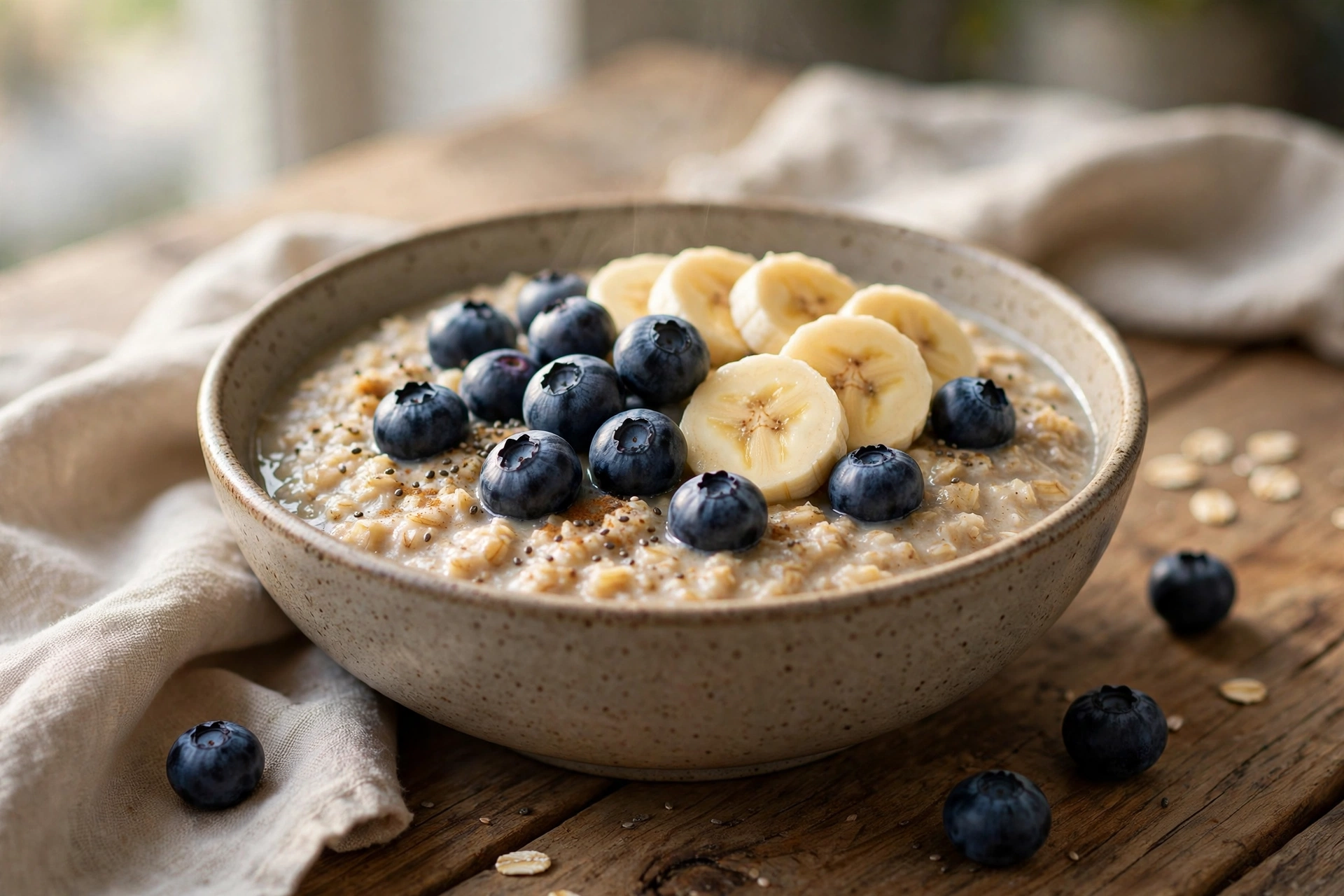
Oatmeal is the quiet star of the breakfast menu. It is warm, simple, and easy to adjust. Most versions arrive plain with toppings on the side, such as dried fruit, nuts, or brown sugar, so you control the sweetness. That flexibility makes oatmeal a strong choice for people who want a steady morning without a heavy, greasy start.
Steel cut oatmeal has a chewier texture than instant oatmeal, and it holds up well if you eat slowly or carry it to the office. Add nuts for crunch and staying power. Add fruit for natural sweetness. Skip the extra sugar packet if your dried fruit already adds plenty of sweetness, or use half a packet and taste before adding more.
Parfaits and fruit cups round out the lighter side. A yogurt parfait layers yogurt with fruit and granola, giving you protein, sweetness, and crunch in one cup. A fruit cup is the simplest add-on: fresh, hydrating, and easy to eat at a desk. Neither one is as filling as a sandwich on its own, but both work well as a side or as a lighter breakfast on a warm day.
If you are watching sugar, read the toppings before you pour them in. Granola and dried fruit can add more sugar than they appear to. Fresh fruit, plain nuts, and a modest spoonful of brown sugar give you flavor with more control. If you are watching sodium, savory sandwiches deserve a closer look than oatmeal, since cheese and cured meats tend to carry more salt.
Pastries, Breads, and Sweet Morning Treats
Pastries are the most seasonal part of the breakfast menu. Croissants, muffins, coffee cake, and loaf slices rotate through the case, and fall brings spiced and pumpkin-flavored options. For seasonal ideas, see the Starbucks fall menu guide, which covers the autumn drinks and treats that often appear beside breakfast items.
A butter croissant is a safe, classic pick: flaky, lightly rich, and good with plain coffee. A chocolate croissant adds sweetness and works better as a treat than as an everyday breakfast. Muffins and loaf slices vary more by flavor, with blueberry, banana nut, and lemon loaf among the familiar choices. They are larger than they look, so splitting one with a friend or saving half for later is a sensible move.
Pastries pair best with a drink that is not too sweet. Brewed coffee, a flat white, or an unsweetened iced coffee keeps the meal balanced. If your drink is already sweet, a plain croissant will taste better than a frosted or filled pastry, since two very sweet items together can feel heavy fast.
Ask for your pastry warmed when you have time. A brief warming brings back the flakiness of a croissant and softens a muffin or loaf slice. If you are taking food to go, keep the pastry in its bag until you are ready to eat, so it stays warm and does not dry out in the car.
Prices: What to Expect and How to Check
This guide does not list specific prices, because prices vary by location, and they change over time. A sandwich that costs one amount in a small town may cost more in a large city or an airport store. Taxes, delivery fees, and mobile order pricing can also shift the total.
The most reliable way to check prices is to open the store menu in the mobile app and select your location before you order. The app shows the current price for that store, plus customization costs. The in-store menu board shows the same local prices if you prefer to order at the counter. If you are ordering for a group, checking the app first avoids surprises at the register.
As a budgeting guide, expect a sandwich plus a brewed coffee to cost more than oatmeal plus coffee, and expect a pastry plus a specialty latte to land somewhere in between, depending on drink size and add-ons. Customizations such as extra shots, alternative milks, or added syrups can raise the drink price, so keep extras modest if you are watching the total.
Value tip: a plain brewed coffee with a filling sandwich often gives you the most food for the money. If you want a specialty drink, pair it with a lighter food item so the total stays reasonable. Free refills on brewed coffee, where offered to members in store, can also stretch a slow morning, but policies vary, so ask at your store.
Ordering Tips for a Faster, Better Breakfast
Mobile ordering is the easiest way to skip the morning line. Order ahead, pick a pickup time that matches your arrival, and double-check customizations before you confirm. If you are new to an item, order it plain first. You can always add a sauce, extra cheese, or a different milk next time, once you know the base flavor.
At the counter, a clear order helps the barista get it right. Name the item, the size of your drink, the milk or sweetness level, and whether the food should be warmed. For example: a breakfast sandwich warmed, plus a grande brewed coffee, black. Short, specific orders reduce remakes and keep the line moving.
If you have a food allergy or a dietary restriction, tell the barista before you pay. Stores can share ingredient and allergen information, and they can note preparation concerns. Cross-contact can happen in a busy cafe kitchen, so people with severe allergies should ask about current practices at that store rather than relying on a general menu description.
Timing matters too. Breakfast sandwiches and egg bites are often freshest in the early morning rush, when turnover is fast. Late morning visitors may find a smaller selection, since popular items sell out. If you arrive late and your first choice is gone, oatmeal or a pastry plus fruit is usually still available and still makes a solid breakfast.
Healthy and Low-Calorie Picks
A healthy breakfast at a coffee shop is less about one perfect item and more about balance. Protein keeps you full. Fiber from oats or fruit slows digestion. Water or plain coffee hydrates without added sugar. Put two of those three together and you have a strong start.
Good lower-calorie combinations include egg white bites with a fruit cup, oatmeal with fresh fruit and nuts (go easy on sweet toppings), or a simple egg and cheese sandwich with black coffee or unsweetened tea. These options give you protein and volume without a large pastry or a heavily sweetened drink on top.
Watch the hidden extras. Syrup pumps, whipped cream, sweetened milks, and large pastry portions add calories quickly, even when the base item is modest. One pump less, a smaller size, or skipping whipped cream can trim a drink noticeably without changing the flavor much. The word to avoid here is dramatic change: small edits, kept daily, matter more than one strict morning.
If your goal is a lighter breakfast, skip the double-sweet combo: a frosted pastry plus a sweetened latte. Pick one sweet element and keep the other plain. You still get the treat, but the meal stays closer to your target. If your goal is a high-energy breakfast before a long day, the reverse is fine: a full sandwich plus a latte is a reasonable, filling choice.
What to Skip (or Save for a Treat Day)
Nothing on a breakfast menu needs a permanent ban, but some combos are better as occasional treats. A very large sweetened drink plus a large frosted pastry plus a rich sandwich is a lot of sugar and fat in one sitting, and it can leave you sluggish by mid-morning. Save that kind of combo for a weekend treat, and pick a lighter pairing on workdays.
Also skip ordering blind. If you do not know what is in an item, ask. A sandwich that sounds light may carry a rich spread, and a drink that sounds simple may include several pumps of syrup. A ten-second question at the counter can save you from a breakfast that does not match your plan.
Coffee Pairings for Breakfast
Coffee is half the breakfast experience, so pairing matters. Brewed coffee is the most flexible partner: it works with sandwiches, oatmeal, and pastries, and it does not add sweetness. A latte adds milk richness and suits lighter foods such as oatmeal or a plain croissant. A cappuccino, with its foam cap, pairs well with a pastry you plan to eat slowly.

On warm mornings, iced coffee changes the pairing. A cold brew or iced coffee tastes clean beside a warm sandwich, and it feels refreshing with fruit or yogurt. For iced drink ideas beyond breakfast, the best Starbucks iced coffee drinks guide compares popular cold options by flavor and strength. For the full drink lineup, see the Starbucks drinks guide.
Decaf drinkers have solid breakfast options too. A decaf brewed coffee or decaf Americano gives you the warm, coffeehouse flavor without caffeine, and it pairs just as well with food. Herbal tea is another calm morning choice, especially beside oatmeal or fruit, when you want warmth without coffee at all.
Breakfast for Different Mornings
Commute mornings call for portable food: a sandwich, egg bites, or a pastry in a bag, plus a lidded coffee. Office mornings allow a slower meal: oatmeal at your desk, with toppings adjusted to taste, plus a brewed coffee you can refill. Weekend mornings are the time to linger: a pastry, a specialty drink, and a seat by the window.
Family mornings need a mix. Kids often prefer a plain pastry or fruit, while adults may want a sandwich and coffee. Ordering a fruit cup to share keeps the table balanced and gives everyone something fresh beside the warm items. If you are ordering for several people, mobile order ahead so the food is ready when you arrive.
Travel mornings deserve a simple rule: pick items that hold up. Sandwiches and egg bites travel better than oatmeal, which can spill, and better than a delicate croissant, which can crush. Pack napkins, keep coffee lidded, and eat the most fragile item first if you bought more than one.
FAQ
What time does Starbucks serve breakfast?
Most stores serve breakfast items from opening through the morning, and many keep sandwiches, egg bites, and oatmeal available into the afternoon while supplies last. Exact hours vary by store, so check your local store in the app if you plan a late-morning visit.
Is the Starbucks breakfast menu available all day?
Not always. Core items often last past breakfast hours, but popular sandwiches can sell out, and some stores narrow the selection after the morning rush. If you want a specific sandwich, morning is the safest time to order it.
What is the healthiest Starbucks breakfast option?
For most people, oatmeal with fruit and nuts, egg white bites with a fruit cup, or a simple egg and cheese sandwich with plain coffee are strong choices. They combine protein or fiber with modest sweetness. Keep sweet toppings and syrups light for the best balance.
Does Starbucks have vegetarian breakfast options?
Yes, depending on the store. Egg and cheese builds, oatmeal, pastries, yogurt parfaits, and fruit cups are typically meat-free. Plant-based sausage options have appeared in some lineups, but availability varies, so confirm at your store before ordering.
How much does a Starbucks breakfast cost?
Prices vary by location and change over time, so this guide does not list fixed prices. Check the mobile app for your store to see current prices, including customization costs, before you order.
Can I customize a breakfast sandwich?
In many cases, yes. You can often adjust bread, cheese, or add-ons where the store offers those choices, and you can customize your drink as usual. Ask the barista what swaps are available for that item, since options differ by store and by sandwich build.
Final Thoughts
The Starbucks breakfast menu works best when you keep it simple: pick a protein or grain base, add fruit when you can, and pair it with a drink you enjoy. Sandwiches suit hungry mornings, oatmeal suits steady mornings, and pastries suit slow, treat-style mornings. Prices vary by location, menus change by season, and availability depends on the store, so check the app for your location as of October 2026 before you head out. With a clear order and a balanced pairing, breakfast becomes the easiest part of your day, not another decision to wrestle with before coffee.